In an age where interdisciplinary approaches are becoming increasingly pivotal in education, the concept of integrated science education is gaining traction. The integration of various scientific disciplines not only enriches student understanding but also prepares them for real-world applications. This article delves into the potential of Redwebzine, an innovative educational platform, in enhancing integrated science education.
Understanding Integrated Science Education
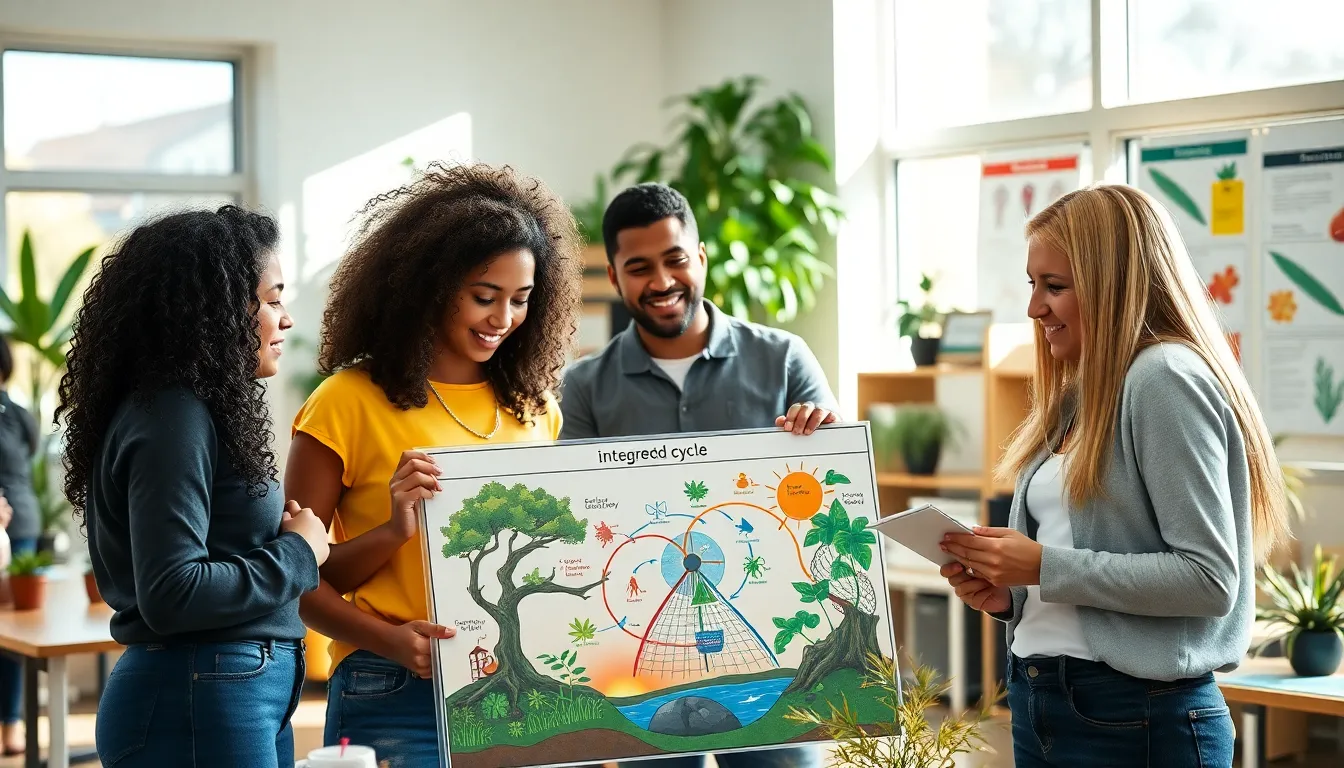
Integrated science education emphasizes the interconnectedness of the various scientific disciplines. Rather than teaching biology, chemistry, and physics in isolation, educators aim to present these subjects as parts of a cohesive whole. This approach fosters critical thinking skills, allowing students to draw connections between topics and apply their knowledge in practical situations.
For example, a lesson on ecosystems can incorporate principles from biology (ecosystems and biodiversity), chemistry (nutrient cycles), and earth science (climate change effects). This integrated framework not only makes learning more engaging but also helps students view science as a unified field rather than a collection of separate subjects. By exploring real-world issues, integrated science education prepares students to become informed citizens capable of addressing complex problems.
The Role of Technology in Science Education
Technology plays a vital role in transforming science education. The rise of digital tools, online resources, and interactive platforms like Redwebzine fosters a learning environment that fully integrates technology into classroom settings.
Redwebzine in particular utilizes multimedia resources, including videos, simulations, and interactive labs, to enhance understanding of scientific concepts. These tools can not only make complex topics more accessible but also promote collaborative learning among students, allowing them to share ideas and engage with one another in ways that traditional textbooks cannot.
Benefits of Redwebzine in Education
The advantages of using Redwebzine in integrated science education are manifold.
- Accessibility: Redwebzine offers online access to a wealth of educational resources, enabling learners from various backgrounds to engage with science content anytime and anywhere, so increasing inclusivity.
- Engagement: Its interactive nature captivates students’ attention, making them active participants in their learning rather than passive recipients of information.
- Customization: Educators can tailor the content to meet the diverse needs of their students, ensuring that every learner has the opportunity to thrive.
- Up-to-Date Information: The platform continually updates its resources to reflect the latest scientific discoveries and technological advancements, keeping course material relevant.
Curriculum Design for Integrated Science Learning
Creating a curriculum for integrated science requires a thoughtful approach that incorporates various teaching strategies and methodologies. A well-structured curriculum should aim to integrate content across different scientific disciplines and align learning outcomes with real-world applications.
Teaching Strategies for Effective Integrated Science Education
- Project-Based Learning: Encouraging students to engage in projects that require them to use knowledge from multiple disciplines promotes collaboration and problem-solving skills.
- Inquiry-Based Learning: This strategy encourages curiosity and investigation, allowing learners to ask questions, conduct experiments, and derive conclusions based on evidence.
- Collaborative Learning: Group activities not only enhance social skills but also enable students to synthesize information from different science subjects, leading to a deeper understanding of the material.
These strategies, when supported by platforms like Redwebzine, can lead to a more comprehensive and engaging learning experience.
Assessment Methods in Integrated Science Programs
Assessment in integrated science programs should reflect the interconnected nature of the curriculum. Traditional assessments may fall short, as they often focus on rote memorization rather than application and synthesis of knowledge.
Innovative assessment methods include:
- Performance Tasks: These tasks require students to demonstrate their knowledge through hands-on activities or real-world problem-solving.
- Portfolios: Students can compile a portfolio of their work, reflecting their learning process, reflections, and improvements over time.
- Peer Assessments: Encouraging students to assess each other’s contributions fosters collaboration and critical evaluation skills.
The Future of Integrated Science Education
The future of integrated science education looks promising, and platforms like Redwebzine are at the forefront of this evolution. With advancements in technology, we can anticipate even more immersive educational experiences, powered by virtual reality (VR), augmented reality (AR), and artificial intelligence (AI).
As educational paradigms shift towards more holistic and integrated approaches, the necessity for teachers to embrace these changes becomes paramount. Continuous professional development and collaboration among educators will be essential to carry out effective integrated science programs.
Conclusion
To conclude, the potential of Redwebzine integrated science education lies in its ability to merge traditional teaching methods with modern technology. By fostering a collaborative and engaging learning environment, Redwebzine not only enhances students’ understanding of scientific concepts but also prepares them for the complexities of the modern world. As educational approaches evolve, embracing platforms like Redwebzine will be crucial for nurturing the next generation of scientists and informed citizens.